

About Conference
Blending AIML in Agriculture
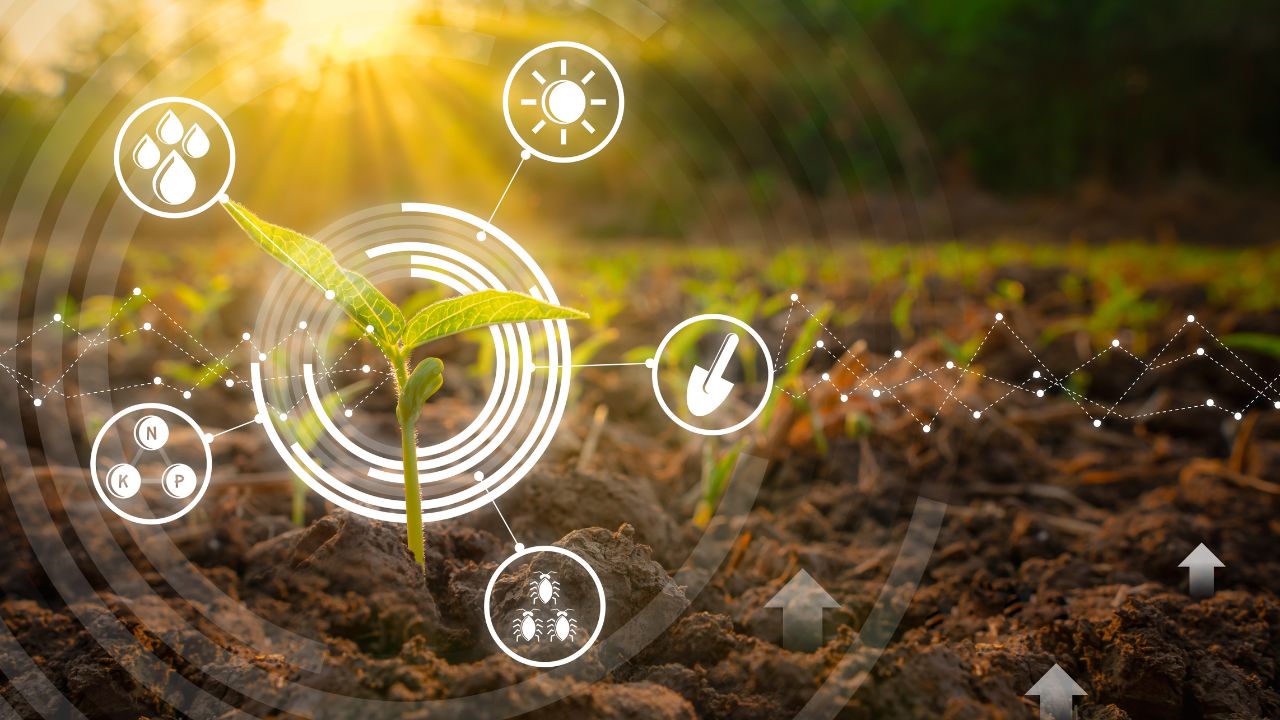
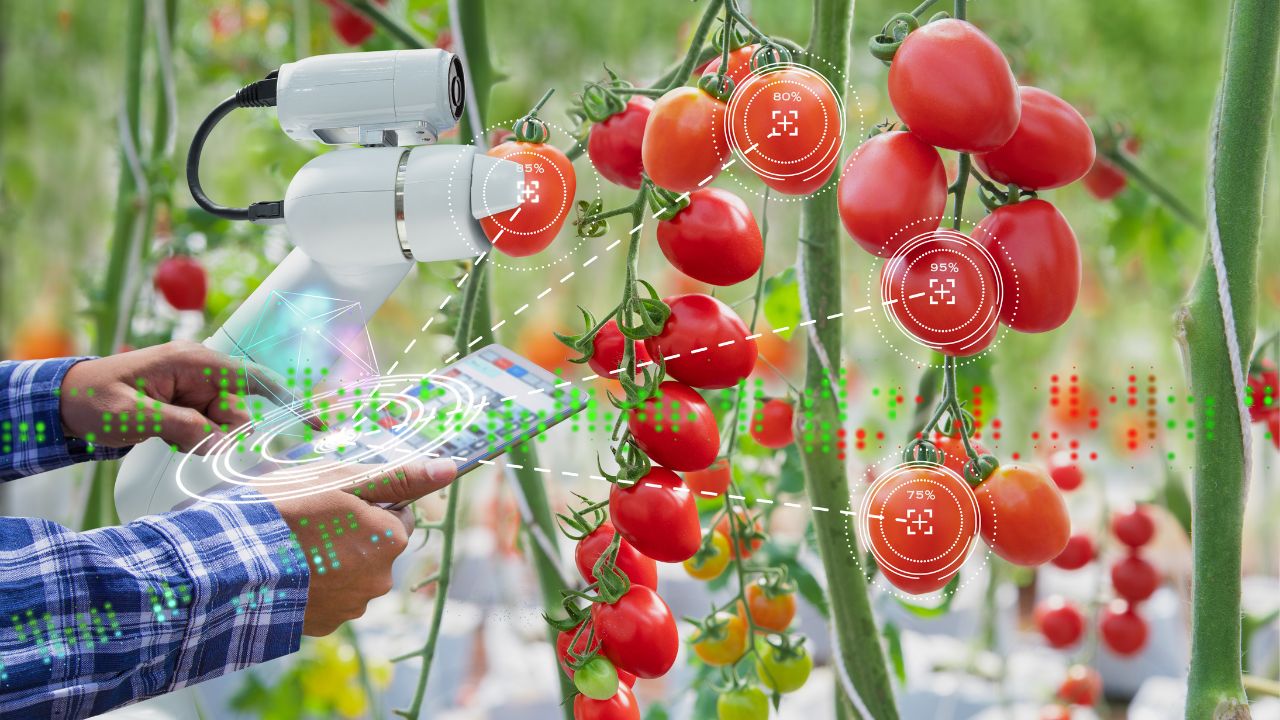
Agriculture, as a bio-economy for many nations-particularly in developing countries thrives on the principle of “more crop per drop of inputs,” achieved through the right genetics, tools, techniques, and platforms. These systems are generating complex data that is not possible to analyse with conventional data analytics/statistics and require integration of modern AIML assistive tools that promises a more data-driven, precise, and ‘adaptive’ approach to farming. As Al technologies evolve, they will become more accessible to farmers of all scales, democratizing advanced agricultural practices. ML approaches offer robust analytical capabilities for classification, prediction, and pattern recognition, while DL models have demonstrated superior performance in processing complex data, in particular image data, and learning. Advanced DL techniques are excelling in agriculture by capturing complex, high-dimensional data and long-range dependencies.
The future of agriculture will likely see a blend of Al-powered tools that provide real-time, customized recommendations, and automate various tasks, from planting to harvesting. This shift will not only enhance food security and sustainability but also create new opportunities for innovation and collaboration within the agricultural sector, ultimately leading to a more resilient and efficient global food system.
The world is revolutionizing this new thinking towards “Automation”, like Industry 4.0 or even 5.0. This way, one can possibly make the system more intelligent and dream of reverse migration of bringing particularly the Young Minds to provide open solutions in rural systems; and also helping to bring better Informatics culture among the farming community. However, a lot need to be done in this dynamic field. One of the important points globally have been dwelling on integrated infrastructure, data availability, analytical skills, reaching the unreached, scale-independent systems, new farm-policies, overcoming the threats/vagaries, etc. to name a few.
Objectives
- Exploring the role of artificial intelligence and automation in advancing sustainable and efficient agriculture.
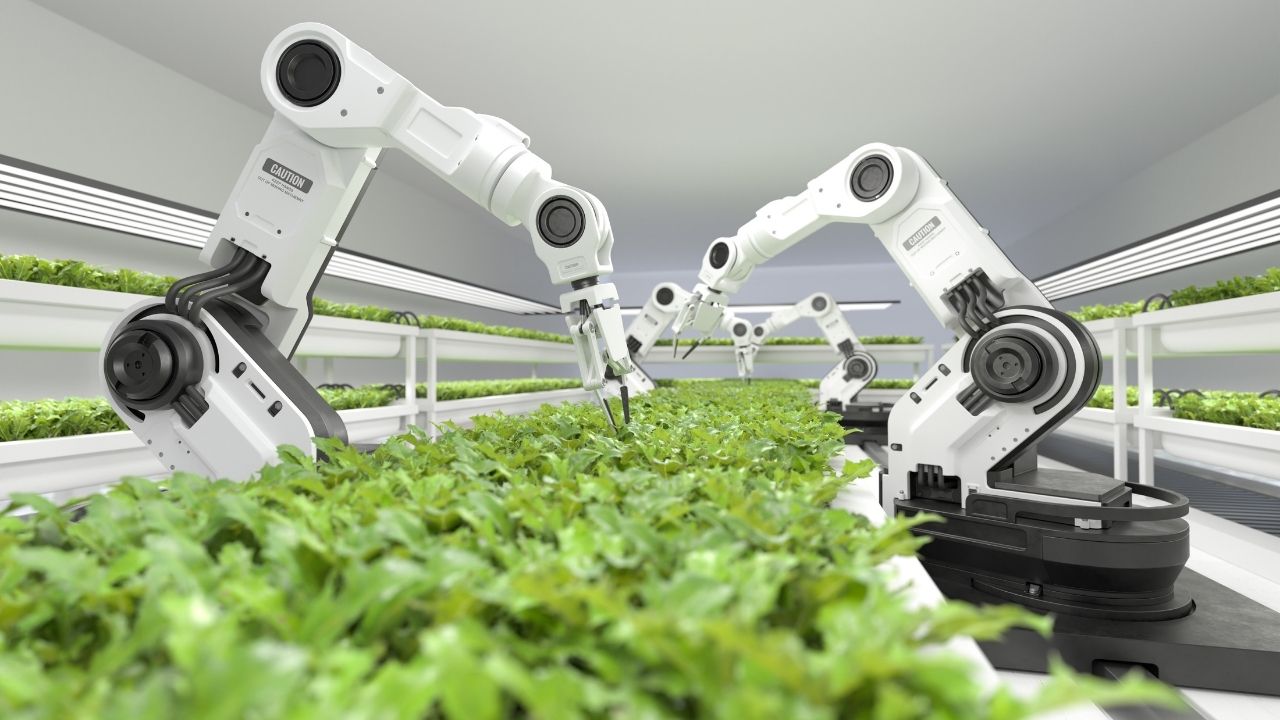
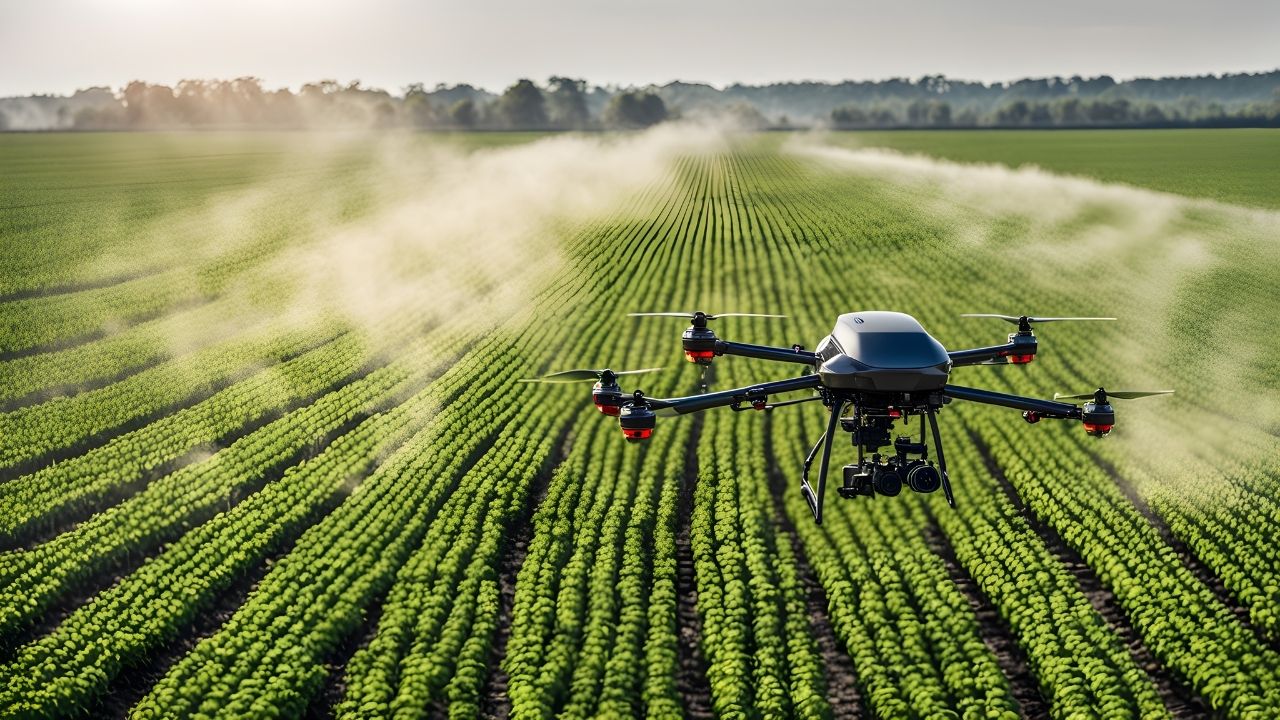
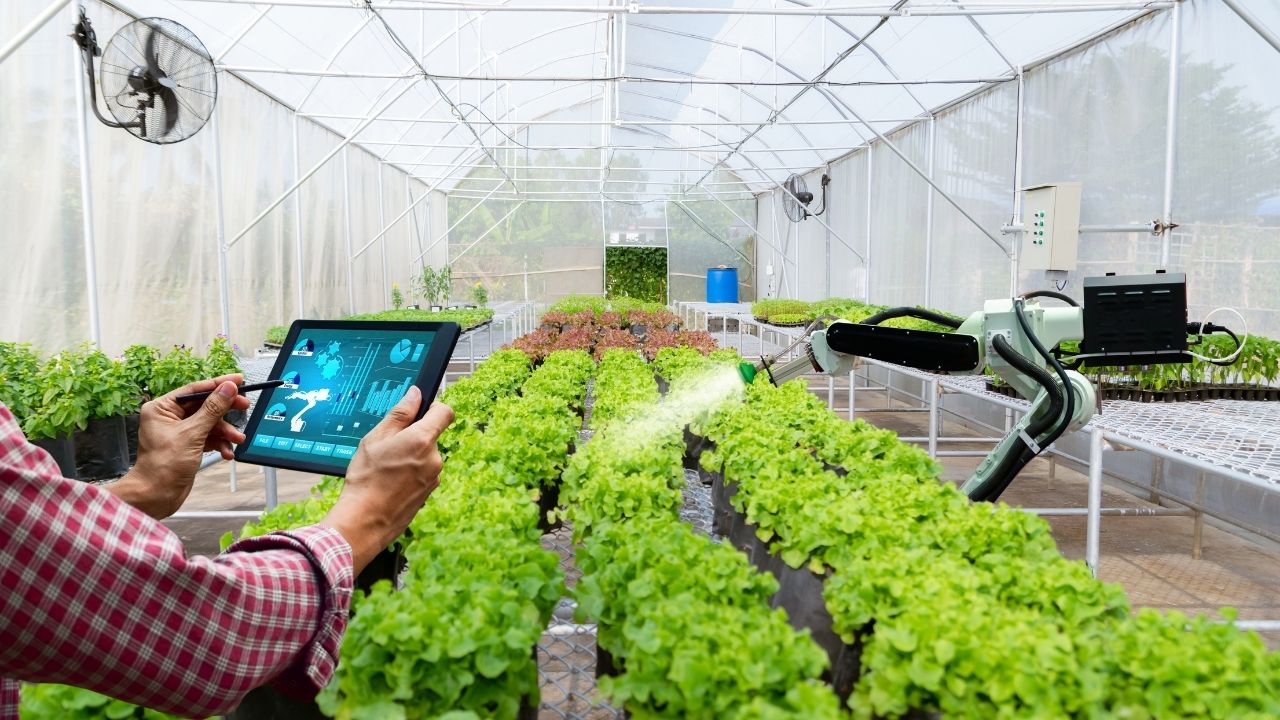
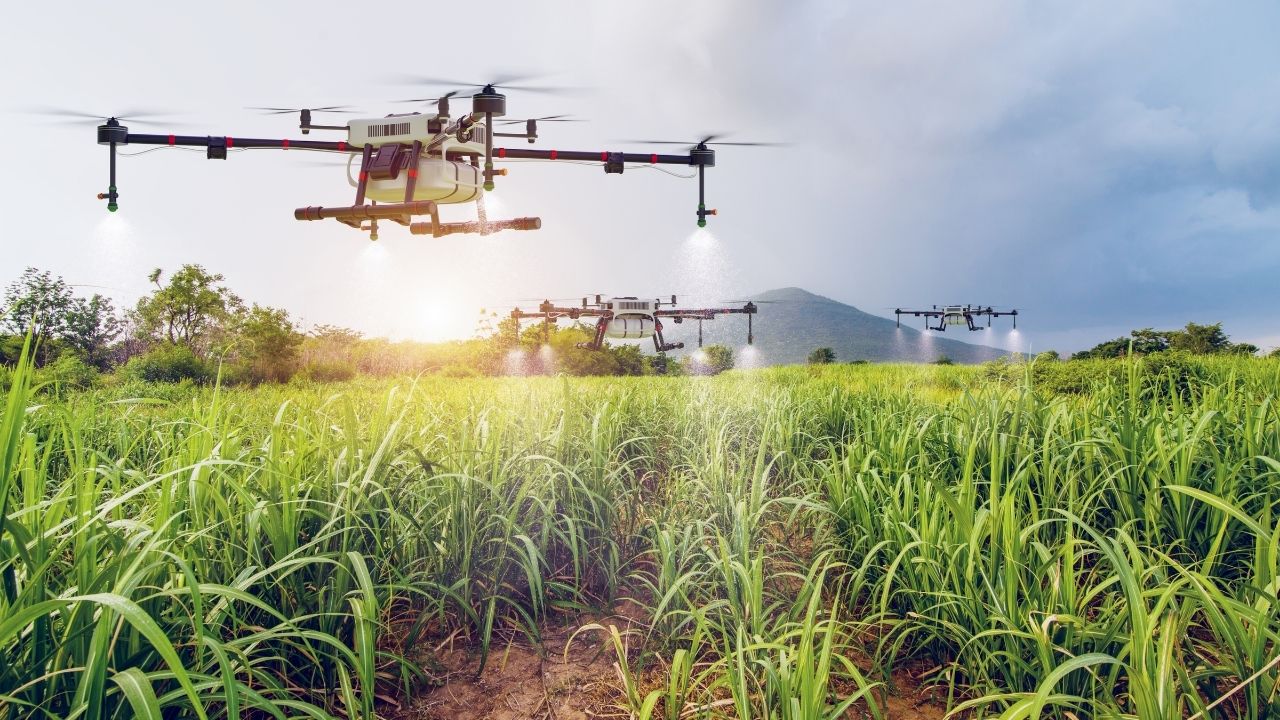
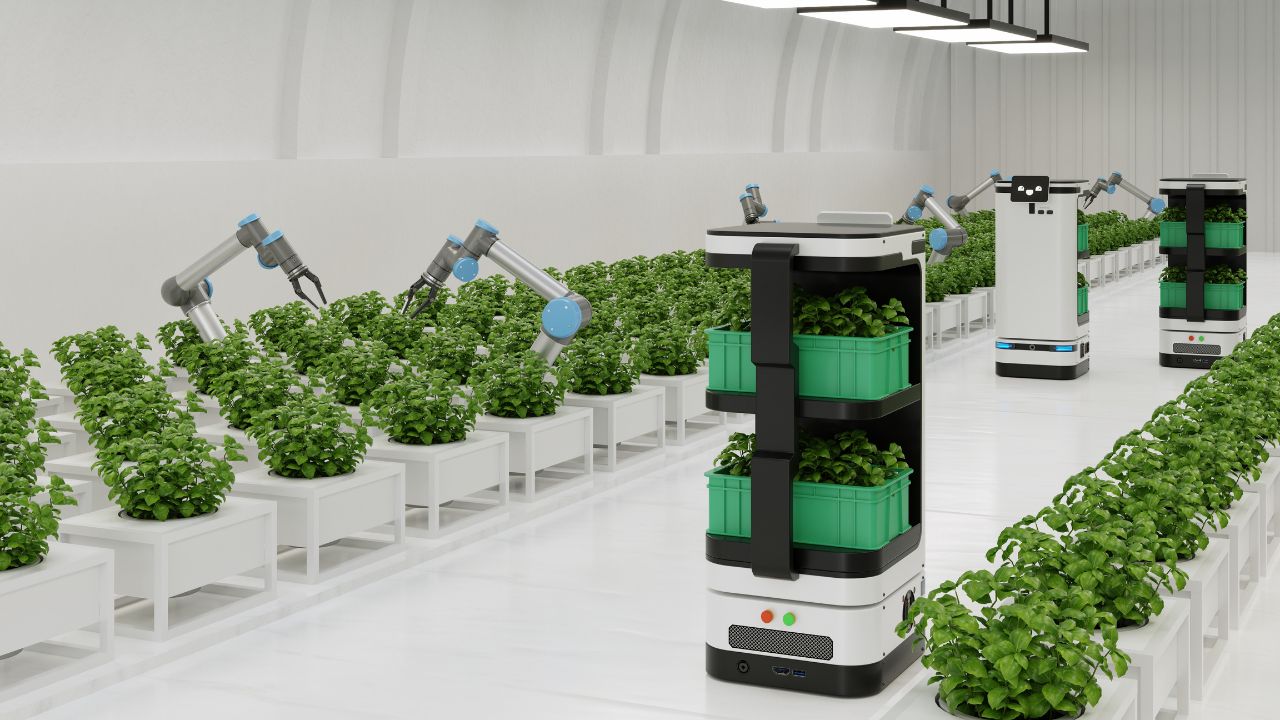
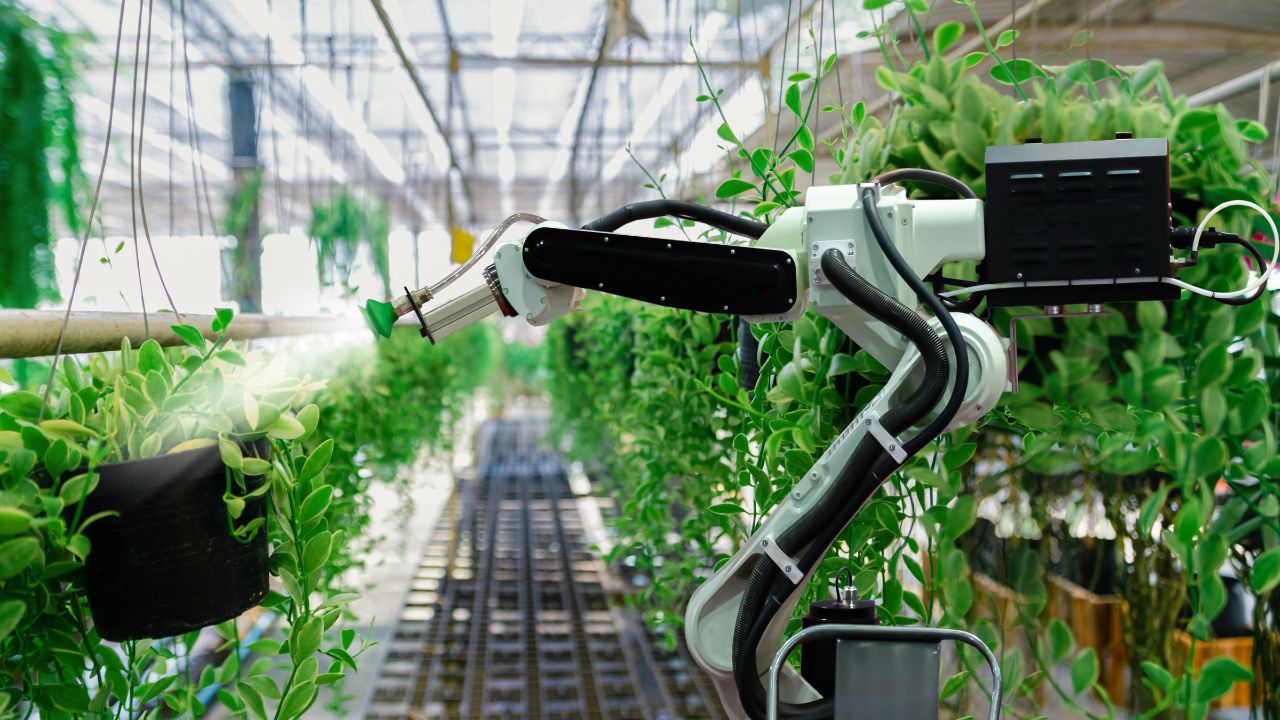
- Promoting innovations in robotics, IoT and Al enabled farm management
- Overcoming challenges in scaling agricultural technologies for smallholder adoption.
- Providing platform for researchers and startups/industry to collaborate on digital farming solutions
- Discussing policy frameworks for the responsible and inclusive application of Al in agricultural research and education.